sixdegree

Thinking in relationships.

Introducing SixDegree: Live Operational State for the Agentic Enterprise

Featured

AI·MCP·Platform Engineering

Introducing SixDegree: Live Operational State for the Agentic Enterprise

Introducing SixDegree: live operational state for the agentic enterprise, auto-derived from your systems of record and served to AI agents via MCP.

Craig Tracey ·

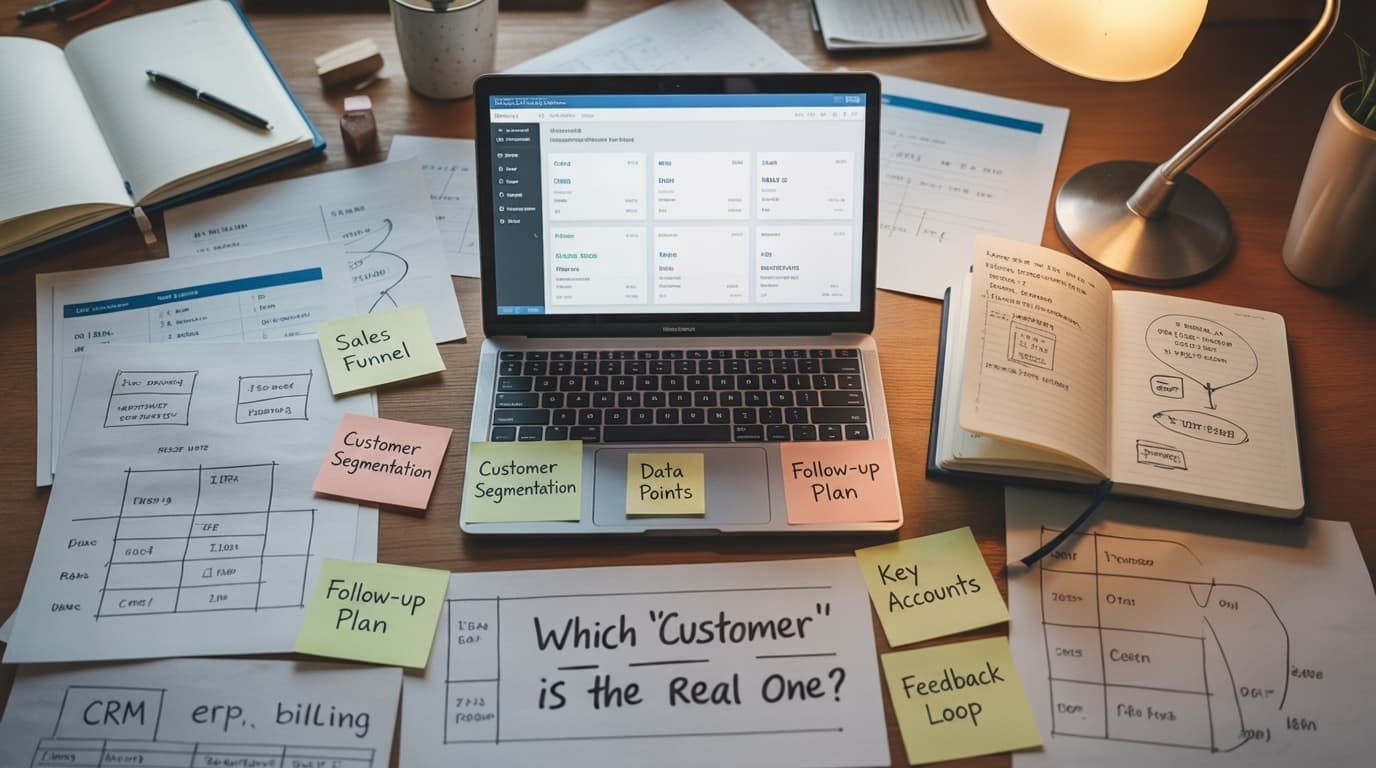
What Your CRM Can't Tell You About a Deal at Risk

AI·Context·Agents

What Your CRM Can't Tell You About a Deal at Risk

Your CRM tracks the deal. It can't see the support tickets, the usage drop, or the AE who went quiet. Why deal risk lives between your systems, and what it takes for AI to actually catch it.

Craig Tracey ·

You Don't Need a Data Team to Get AI Working

AI·Context·Operations

You Don't Need a Data Team to Get AI Working

Most AI readiness advice tells you to build a data team, document your APIs, and codify your knowledge before you start. For a mid-sized company, that's months of work before a single outcome. Here's why you can skip it.

Craig Tracey ·

Context Engineering vs Context Management: What's the Difference?

Context·Agents·AI

Context Engineering vs Context Management: What's the Difference?

Context engineering operates at the prompt layer. Context management is the infrastructure underneath. Why mixing them up is the most common reason agent pilots fail.

Craig Tracey ·

Your operations run on tribal knowledge. AI will make that worse.

Operations·Enterprise AI·Context

Your operations run on tribal knowledge. AI will make that worse.

Every operations leader has tried to fix the opacity problem. AI agents make the cost of failure visible and immediate. Here is what changes now.

Craig Tracey ·

Governance Theater Won't Survive Agentic AI

AI Agents·Governance·Enterprise AI·Context

Governance Theater Won't Survive Agentic AI

Policies and approval workflows can't constrain agents that don't share your view of reality.

Craig Tracey ·

Context layer vs data catalog: what every AI initiative needs to know

Context·Enterprise AI·Data

Context layer vs data catalog: what every AI initiative needs to know

Data catalogs tell you where data lives. A context layer tells agents how the business runs. Here is the difference, and how to pick the right one before you burn a budget cycle.

Craig Tracey ·

Levie Nailed the Job Description. He Left Out the Hard Part.

Agents·Context·AI

Levie Nailed the Job Description. He Left Out the Hard Part.

Aaron Levie nailed the job description. But the person he wants to hire will spend most of their time doing plumbing nobody planned for.

Craig Tracey ·
10 Best Practices for AI Context Management

Context·Agents·Platform Engineering

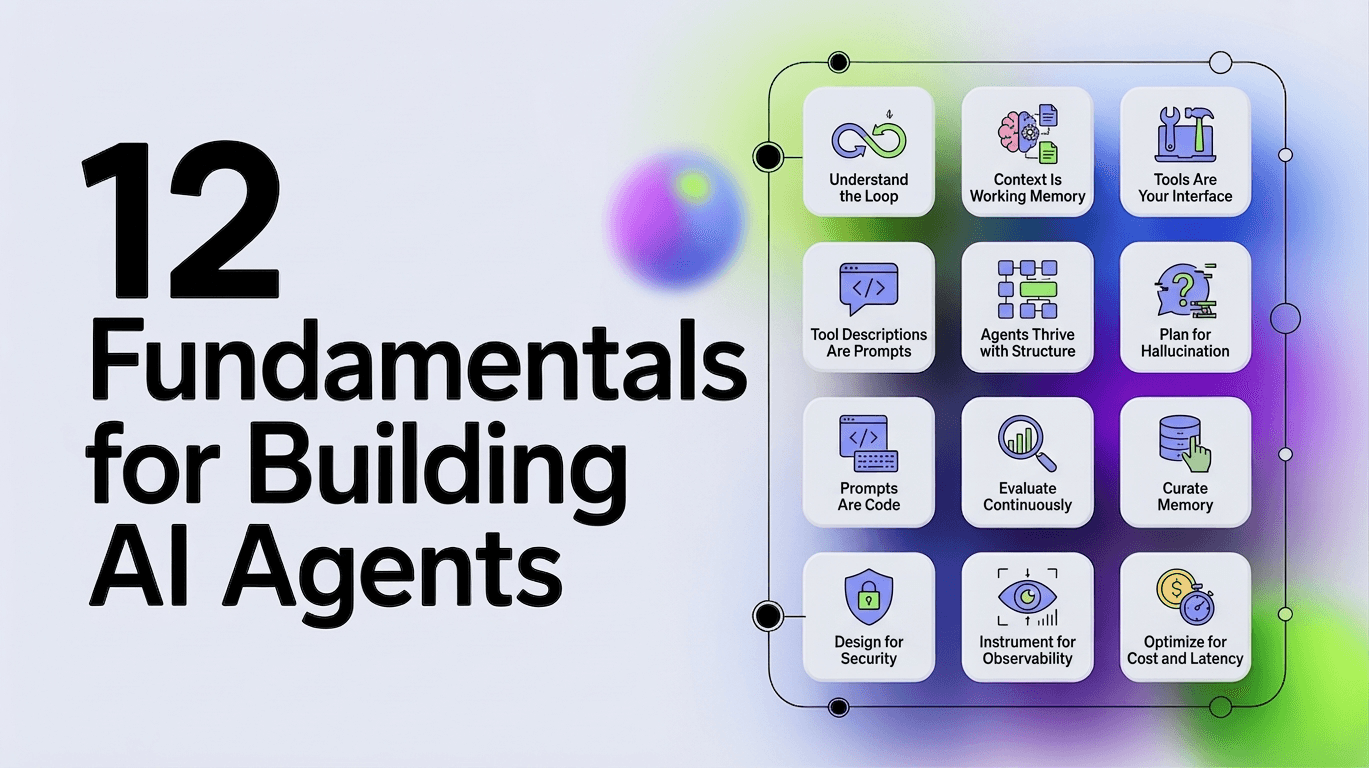
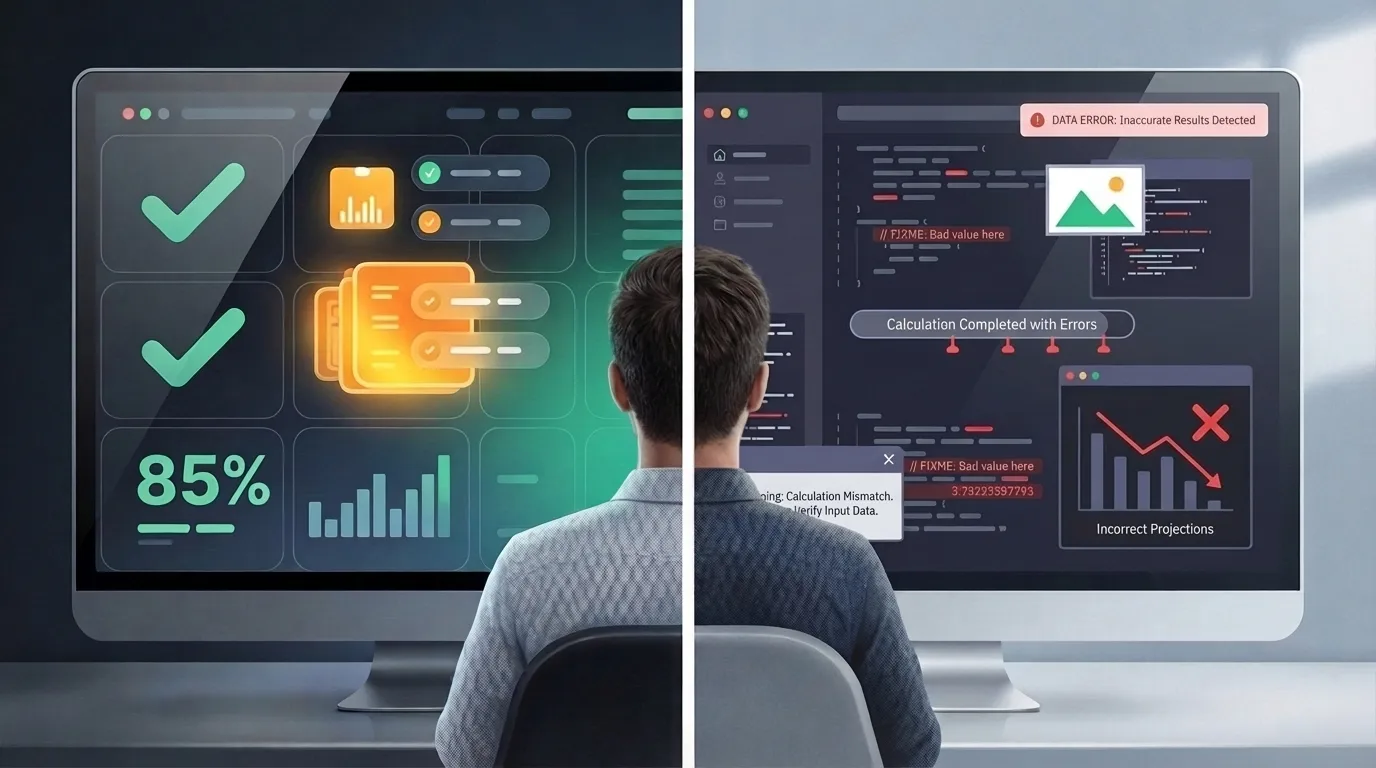
10 Best Practices for AI Context Management

Most teams managing AI context are using markdown files. Here's what better looks like.

Craig Tracey ·

The Service Catalog Problem Isn't Backstage. It's the Catalog.

Platform Engineering·Context

The Service Catalog Problem Isn't Backstage. It's the Catalog.

Backstage is hard to run. Cortex and OpsLevel made it easier. But none of them changed what a catalog fundamentally is: a human-authored approximation of system state that starts drifting the moment someone forgets to update it.

Craig Tracey ·

Why Live Knowledge Graphs Are the Missing Context Layer for Safe Agentic AI in 2026

Agents·Context·Governance·MCP

Why Live Knowledge Graphs Are the Missing Context Layer for Safe Agentic AI in 2026

Live knowledge graphs solve the biggest barriers to production agentic AI: governance, accuracy, and orchestration that RAG and raw MCP can't touch.

Craig Tracey ·

Operating MCP Servers in Production

MCP·Agents

Operating MCP Servers in Production

Getting an MCP server to work is not the hard part. The hard part is operating one: knowing who can access what, catching failures before users do, and building enough visibility to improve over time.

Craig Tracey ·

Building MCP Servers That Models Can Actually Use

MCP·Agents

Building MCP Servers That Models Can Actually Use

Model Context Protocol has moved fast, but implementation quality lags behind adoption. This post covers tool design and context quality: the two areas where most MCP servers fail.

Craig Tracey ·

PreviousNext