What Is an AI Harness? Runtime, Tools, and Context
An AI harness turns a model into an agent through loops, tools, context, memory, permissions, and approvals. Learn what belongs in the runtime.
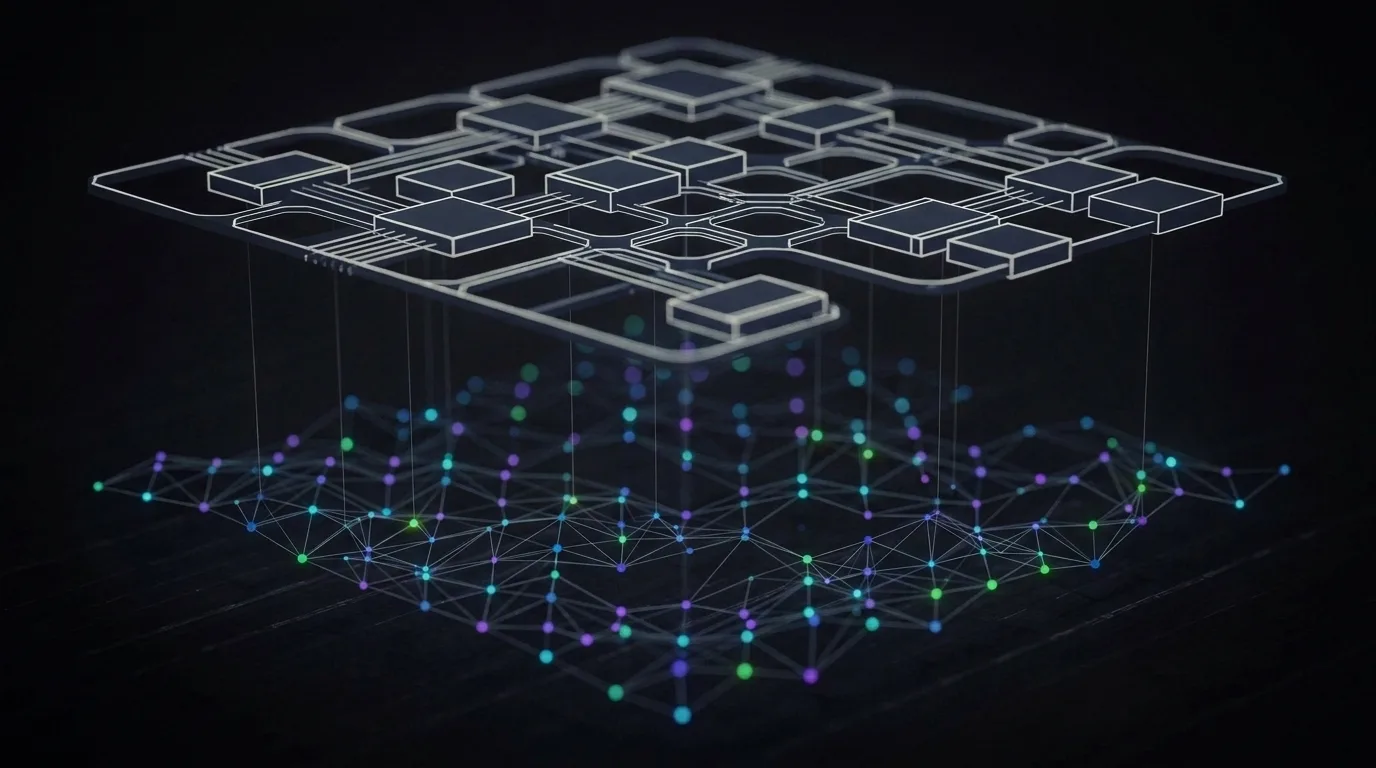
An AI harness is the software around a model that turns raw inference into an agent. The model predicts tokens. The harness is everything that makes those predictions do work: the agent loop, tool dispatch, context-window management, memory and compaction, sub-agent orchestration, permissioning, and the system prompt that holds it all together. Claude Code, Cursor, Devin, and the agent frameworks teams build in-house are all harnesses. The model is the engine. The harness is the chassis, the transmission, and the steering.
For most of the last few years the conversation was about the engine. Bigger models, better benchmarks, longer context windows. That conversation is shifting. A growing share of real-world capability gains now come from the harness, not the weights. The same model behaves like a junior intern in one harness and a competent engineer in another. The difference isn't intelligence. It's the scaffolding around the intelligence.
The harness matters as much as the model. And in the enterprise, the harness is only as good as what it can see.
What an AI harness actually does
Strip away the branding and every agent harness is solving the same set of problems:
- The loop. Observe, decide, act, observe again. The harness runs this cycle, deciding when to call a tool, when to reflect, and when the task is done.
- Tool dispatch. Exposing capabilities to the model and routing the model's chosen calls to real systems, then feeding results back in a form the model can use.
- Context management. Deciding what goes into the finite context window on each turn. Retrieval, compaction, progressive disclosure, sub-agent message routing. Anthropic calls this context engineering, and it is most of what separates a good harness from a bad one.
- Memory. Persisting state across turns and sessions so the agent doesn't start cold every time.
- Orchestration. Spawning sub-agents, fanning work out, gathering results, managing concurrency and budgets.
- Guardrails. Permissions, approval gates, and the policy layer that decides what the agent is allowed to do without a human in the loop.
A good harness makes a model feel capable. A bad one makes the same model feel unreliable. This is why two teams using the identical model ship agents with wildly different competence. The gap is the harness.
The model is improving. The harness is where the leverage is.
There is a useful way to think about where agent capability comes from. Some of it is the model: reasoning, instruction-following, the raw ability to plan. The rest is the harness: how well the surrounding system feeds the model what it needs and acts on what it decides.
The model half improves on someone else's schedule. You inherit it when the next release ships. The harness half is yours. It is where a team actually competes, and it is where most of the near-term gains live. Better tool design, tighter context management, smarter orchestration, cleaner guardrails. None of that requires a new model. All of it changes what the agent can do today.
This is the part of the stack teams underinvest in because it looks like plumbing. It isn't plumbing. It is the product.
Where most harnesses hit the same wall
Here is the failure mode that no amount of generic harness engineering fixes on its own.
You can build the best agent loop in the world. Perfect tool dispatch, immaculate context management, careful guardrails. Point it at an enterprise and ask it a question that matters. "Who owns this service?" "What's the blast radius if I take this down?" "Which deal is at risk and why?" "Who do I escalate this incident to right now?"
The harness has nowhere to get the answer. The model can reason flawlessly over information it doesn't have. The tools can be perfectly dispatched to systems that each hold one fragment of the truth. And the harness has no coherent view of how those fragments connect, because that view doesn't exist anywhere as a single thing. It's scattered across the CRM, the repo, the on-call scheduler, the HR system, the deploy pipeline, and a hundred other systems of record that never agreed on a shared model of reality.
This is not a loop problem. A better loop won't solve it. More tools won't solve it. And that isn't a hunch, it's measured: in our Boundary benchmark, agent accuracy degrades as you add tools, with every model we tested falling off past roughly 25 to 50. Piling on access makes the agent worse, not better. A longer context window won't solve it either, because the problem isn't window size, it's that the relational, cross-system answer was never assembled in the first place. The harness can only act on what it can see, and what most harnesses see in the enterprise is a pile of disconnected API responses.
A harness needs a substrate. Something that already knows how the organization fits together, that the harness reads from at inference time instead of reconstructing it tool call by tool call. We built the harness and the substrate together.
SixDegree is a context-native AI harness
SixDegree is an AI harness. It runs the full agent runtime: the loop, tool dispatch over MCP, progressive tool disclosure so the model only ever sees the tools relevant to the entities in play, planning, and risk-gated action with a read-only-by-default posture. That is the same machinery every harness ships.
What makes it different is what it's built on. Most harnesses are general-purpose runtimes that connect to whatever systems you point them at and try to reconstruct the picture each turn. SixDegree's harness sits on a live operational graph of the organization: ownership, contracts, blockers, dependencies, and workflows, derived continuously from every system of record the business runs and kept current as those sources move. The agent doesn't rediscover who owns a service or what depends on a deploy on every run. It reads it from a substrate that already knows.
That changes how the harness behaves. Tool disclosure isn't guessing which tools might be useful, it's driven by the entity types the agent is actually reasoning over. Tool calls resolve against a coherent cross-system graph instead of one API at a time. The loop spends its turns on judgment rather than on re-deriving the org from scratch. The usual way to chase this is to shape the context window better: tighter retrieval, smarter compaction, a cleaner prompt. Necessary, but it can't save you if the source underneath is stale and fragmented; you get a more elegantly assembled wrong answer. What a context-native harness adds is one level down: it doesn't just decide what to load, it reads from a substrate that's already true.
And the substrate isn't locked inside our harness. It grounds any harness. What makes the disclosure entity-aware and the calls graph-resolved lives in how the substrate is exposed over MCP, not in our runtime, so the agents you already run, Claude Code, Cursor, OpenAI, a framework your team built, anything that speaks the protocol, get the same grounding over MCP that our own harness does. Our harness is the turnkey path: the loop, orchestration, scheduling, persona, and risk-gated action, layered on and ready out of the box. The grounding is identical. What ours saves you is the runtime you'd otherwise build yourself. Use ours, bring your own, or both.
If you're building agents, you are building a harness whether you call it that or not. The question is what it reads from. Everything we learned doing it points the same way: the scaffolding determines the ceiling, and in the enterprise, the ceiling is set by what the scaffolding can see.
Frequently asked questions
What is an AI harness?
An AI harness is the software scaffolding around a language model that turns raw inference into a working agent. It includes the agent loop (observe, decide, act), tool dispatch, context-window management, memory and compaction, sub-agent orchestration, permissioning, and the system prompt. Tools like Claude Code, Cursor, and Devin are harnesses, as are the agent frameworks teams build internally. The model supplies the reasoning; the harness supplies everything that makes the reasoning do work.
What's the difference between the model and the harness?
The model is the engine: it predicts tokens, reasons, and plans. The harness is everything around it that makes those predictions useful: the loop that runs the agent, the tools it can call, the management of what enters the context window, memory across turns, and the guardrails on what it's allowed to do. The same model can behave like a junior intern in one harness and a competent engineer in another. The model improves on the provider's schedule; the harness is where a team actually competes.
Is SixDegree an AI harness?
Yes. SixDegree is a context-native AI harness. It runs the full agent runtime (the loop, tool dispatch over MCP, progressive tool disclosure, planning, and risk-gated actions with a read-only-by-default posture), and it's built directly on a live operational graph of the organization. Most harnesses are general-purpose runtimes that try to reconstruct the org each turn from whatever systems they're pointed at. SixDegree's harness reads from a substrate that already knows how the organization fits together.
What makes a harness 'context-native'?
A context-native harness is built on a substrate that already holds a coherent, current model of the organization, rather than reconstructing that picture tool call by tool call at inference time. In SixDegree's case, tool disclosure is driven by the entity types the agent is reasoning over, and tool calls resolve against a derived cross-system graph (ownership, dependencies, contracts, workflows) instead of one isolated API at a time. Because that behavior lives in how the substrate is exposed over MCP, any harness reading from it inherits it. The loop spends its turns on judgment instead of re-deriving the org from scratch.
Why does the harness matter as much as the model?
A growing share of real-world agent capability now comes from the harness rather than the weights. Better tool design, tighter context management, smarter orchestration, and cleaner guardrails change what an agent can do today, without waiting for a new model. Two teams using the identical model ship agents with very different competence, and the gap is almost always the harness, not the intelligence.
Do I have to use SixDegree's harness, or can I bring my own?
Either, or both. The live operational graph SixDegree is built on is exposed over MCP (the Model Context Protocol), and the entity-aware disclosure and graph-resolved calls come from that exposure rather than from our runtime, so any agent you already run, on Claude, OpenAI, or any other harness that speaks the protocol, reads from the same grounding our own harness does. The grounding is identical. SixDegree's own harness is the turnkey path: it adds the loop, orchestration, scheduling, persona, and risk-gated action on top, so you don't build that runtime yourself.
See this on your systems.
We will connect your systems and walk you through the operational context SixDegree resolves between them.
Book a working session